How to Get Motivated to Cook: Simple Tricks for Daily Inspiration
Finding motivation to cook can sometimes be a challenge, especially on days when time is short or energy levels are low. Yet, cooking at home has a multitude of benefits, such as healthier eating habits, cost savings, and the joy of creating something with your own hands. Whether you’re trying to cook more for personal wellness or simply to reduce your reliance on takeout, getting started is often the hardest part.
Reflect on the times you’ve enjoyed a home-cooked meal. The flavors, the freshness, the sense of accomplishment—it’s all part of the magic of cooking. Yet, it’s completely normal to feel uninspired or overwhelmed by the idea of starting. There are, however, strategies to transform cooking from a chore into an enjoyable experience. From trying out new recipes to understanding the simplicity of cooking for one, finding your cooking motivation can be an exciting journey.
What holds many back from cooking more often is the misconception that meals at home need to be elaborate. Let go of the idea that home cooking has to match restaurant quality, as emphasized by food writers like Ruth Reichl. Embracing the imperfect and home-style approach to your meals can turn your kitchen into a stress-free zone where creativity thrives. Remember, the goal is to enjoy the process and reap the benefits of cooking for yourself.
Understanding Motivation
Before diving into how you can get motivated to cook, it’s vital to grasp the psychological mechanisms that fuel your drive and to understand why cooking is important for you.
Psychology Behind Motivation
Your motivation to cook is powered by intrinsic and extrinsic factors. Intrinsic motivation comes from within; you cook because you find it rewarding or enjoyable. On the other hand, extrinsic motivation involves cooking to achieve an external reward or to avoid negative outcomes. Recognizing which type of motivation spurs you on the most can dramatically affect your approach to cooking.
Importance of Cooking
Cooking is more than just preparing food; it’s about nourishing your body and potentially others. It’s a productive outlet for creativity and self-expression. By cooking at home, you can control your nutrition and make healthier choices, which is crucial for long-term wellbeing. Embracing the importance of cooking can be a significant motivational force.
Setting Up for Success
Before you start cooking, setting up your environment for success is crucial. A well-organized kitchen, a solid meal plan, and the right tools can transform your cooking experience from daunting to delightful.
Organizing Your Kitchen
Begin by decluttering your countertops and cabinets. Arrange your utensils and gadgets so that everything you need is within easy reach. Consider using drawer dividers for better organization. Make sure to label and date your spices and ingredients for easier identification.
Planning Your Meals
Planning your meals ahead can save you time and reduce stress. Start by creating a menu for the week and prepare a shopping list accordingly. This can help you avoid impulse purchases and concentrate on buying only what you need for your planned recipes.
Investing in Quality Tools
Quality cooking tools can make a significant difference in your cooking routine. Select a few key pieces — such as a sturdy chef’s knife, a heavy-bottomed frying pan, and a durable cutting board — that will make prep work easier and more enjoyable.

Finding Your Inspiration
When it comes to cooking, finding your spark can turn the routine into a joy. Discovering sources that resonate with your tastes and interests can make all the difference.
Cooking Shows and Books
Cooking Shows: Tune into a variety of cooking shows to ignite your culinary creativity. Whether it’s the fast-paced excitement of competitive cooking or the soothing process of baking, there’s a show for every taste. Let the energy and expertise of professional chefs motivate you to try out new recipes.
Books on Cooking: Delve into cookbooks and food memoirs to gather ideas. The Joy of Cooking or a culinary exploration by an author like Ruth Reichl can provide not just recipes, but stories that weave the love of food and cooking into your daily life.
Social Media and Blogs
Instagram & Pinterest: Follow chefs and food influencers on platforms like Instagram and Pinterest. Seeing beautifully curated dishes can inspire you to create your own culinary masterpieces.
Food Blogs: Discover food blogs for personalized advice and recipe walkthroughs. Blogs often offer a more personal touch, with stories and tips that make the recipes more relatable. Check out The Kitchn for a broad range of recipes and motivational content.
Starting Simple
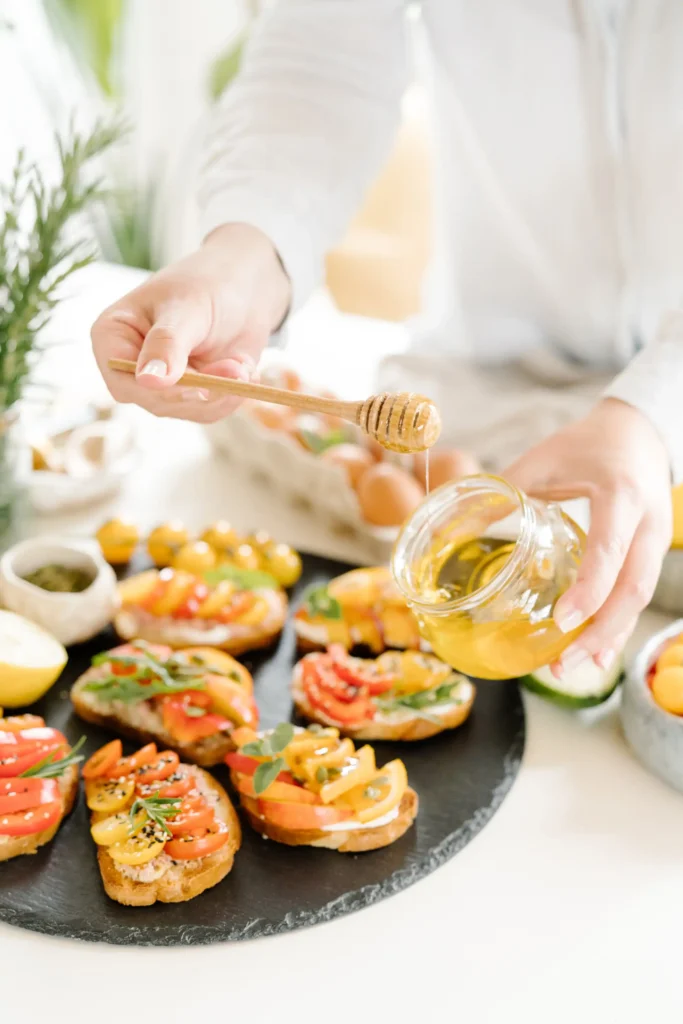
Embarking on your cooking journey doesn’t have to be overwhelming. Start with recipes and techniques that require minimal effort and ingredients but deliver delicious results.
Easy Recipes for Beginners
Pasta with Tomato Sauce: Begin with boiling water for the pasta. While that cooks, simmer a can of crushed tomatoes with garlic, olive oil, and basil for a homemade sauce.
Scrambled Eggs: Beat eggs with salt and pepper. Cook in a non-stick pan over medium heat until they’re just set, stirring gently.
Recipes like these motivate you to cook more at home by demonstrating that delicious meals can come from simple ingredients and methods.
One-Pot Dishes
Chili: Brown some ground meat, add beans, tomatoes, and chili spices, and let everything simmer in one pot.
Chicken and Rice: Combine rice, chicken broth, and chicken thighs in a pot. Season to your liking and cook until the rice is tender and the chicken is cooked through.
One-pot dishes help to reduce kitchen mess and simplify the cooking process, making it less daunting for beginners.
Incorporating Variety
Embracing a variety of tastes and ingredients can rekindle your passion for cooking. It’s about discovering new flavors and integrating fresh, seasonal produce that makes your meals exciting.
Trying New Cuisines
Think beyond your go-to recipes by exploring diverse cuisines. Take a culinary adventure right from your kitchen:
Select a Cookbook: Pick a cookbook focused on a cuisine you’re unfamiliar with – a fun way to learn about new ingredients and cooking techniques.
Theme Nights: Plan theme nights like “Taco Tuesday” or “Italian Sunday” to keep anticipation high for both cooking and dining.
Seasonal Ingredients
Freshness can inspire: When produce is at its peak, it not only tastes better but also offers the best nutritional value.
- Visit Farmers’ Markets: Check out local markets to find seasonal fruits and vegetables that may not be available in your regular store.
- Plan Your Meals Around Them: When you have ripe, vibrant produce, let those ingredients shine in simple dishes that highlight their natural flavors.
Making It Fun
You’ll find that putting a fun spin on cooking can transform it from a chore into a highlight of your day. Let’s discover how cooking with friends and incorporating music or podcasts can make your cooking experience more enjoyable.
Cooking with Friends
Inviting friends over to cook can turn meal prep into a social event. Engage in a small act of love by sharing a meal you’ve all created together. You can assign different tasks to each person or cook a themed dinner—think taco nights or a pizza party where everyone brings a topping!
Music and Podcasts While Cooking
Fill your kitchen with melodies or interesting stories by listening to music or podcasts while you prepare food. Choose upbeat tunes to keep the energy high, or play relaxing beats if you’re winding down. Alternatively, enrich your mind with a podcast that captures your interest—before you know it, you’ll be looking forward to the next cooking session just to continue your listening journey.
Staying Committed
Achieving consistency in cooking at home takes commitment. You’re more likely to stick with your cooking goals if you track your progress and find ways to make the process rewarding.
Tracking Progress
Start by setting clear, achievable goals. Perhaps you aim to cook at home four times a week or try two new recipes per month. Use a calendar or a cooking journal to note each time you hit these targets. Recording your accomplishments, no matter how small, helps reinforce positive behavior and gives you a tangible record of your journey. You can look back and see how far you’ve come!
Rewarding Yourself
It’s important to recognize your achievements. Rewarding yourself for meeting cooking goals can boost your motivation. Choose rewards that don’t contradict your efforts—like buying a new kitchen gadget after a month of consistent home cooking, or treating yourself to a special ingredient to use in your next home-cooked meal. Remember, these incentives are personal and should be meaningful to you.
Seeking External Support
Finding motivation to cook can often come from outside yourself. Whether it’s learning new skills or connecting with others, external support can provide the encouragement you need.
Cooking Classes
Enrolling in cooking classes can be a game-changer. These classes offer hands-on experience and expert advice, helping you to build your culinary skills in a structured environment. Plus, they’re a chance to meet fellow food enthusiasts. Check out local options like cooking workshops or even look for online courses that fit your schedule.
Online Communities
Joining an online community dedicated to cooking can also offer support. Through platforms like Reddit’s r/Cooking or Food52’s community, you can share recipes, get feedback, and find the inspiration to try new dishes. The sense of community and shared passion might be just what you need to get back in the kitchen.
Final Thoughts
Learning how to get motivated to cook isn’t about becoming a gourmet chef or preparing elaborate meals every night. It’s about finding simple ways to make cooking feel enjoyable, rewarding, and sustainable for your lifestyle.
Start small, give yourself permission to keep things easy, and celebrate the little wins along the way. Whether that’s trying one new recipe a week, cooking with friends, or simply preparing a comforting meal after a long day, every step counts.
Remember that home cooking is an act of self-care. It nourishes your body, encourages creativity, and creates moments of connection with yourself and the people around you. The more you focus on enjoying the process rather than striving for perfection, the more naturally your motivation will grow.
A simple homemade meal made with care will always be enough—and sometimes, that’s where the greatest joy in cooking begins.